
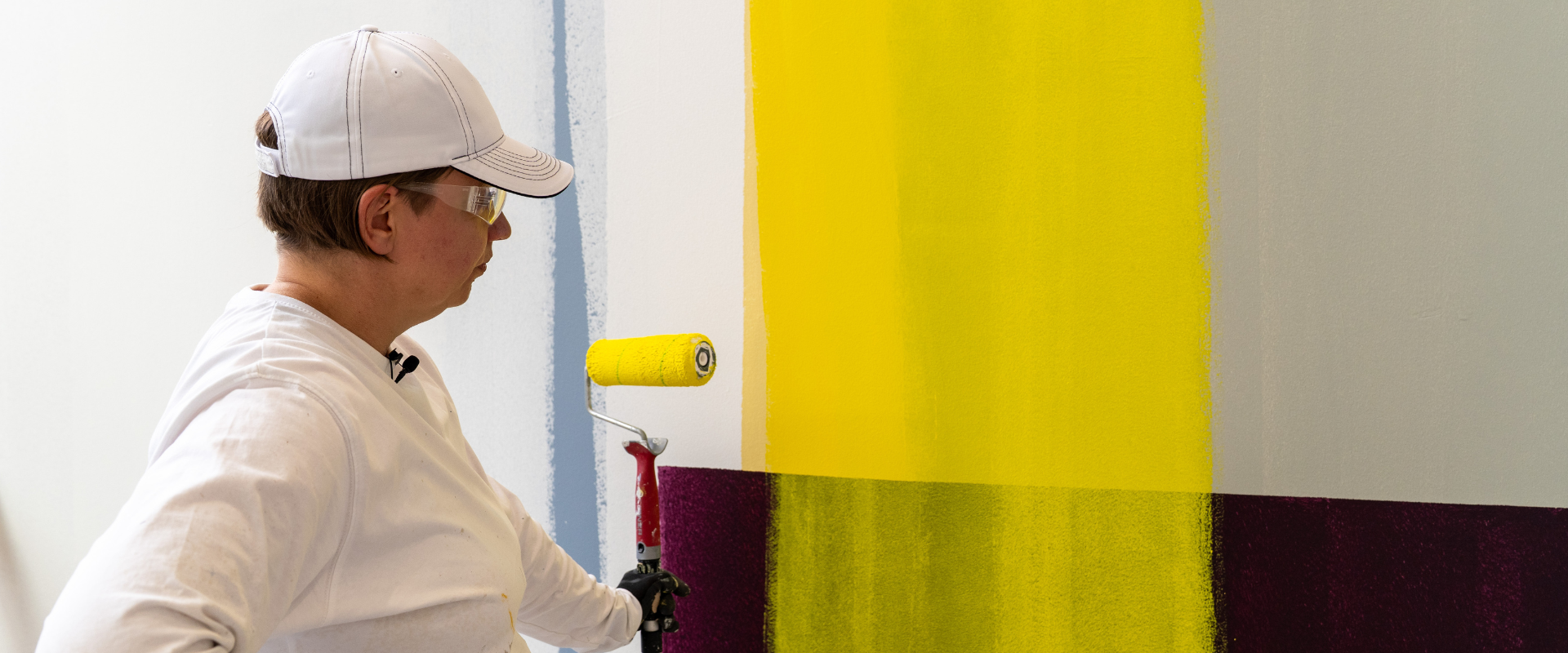
5 Common myths about interior painting
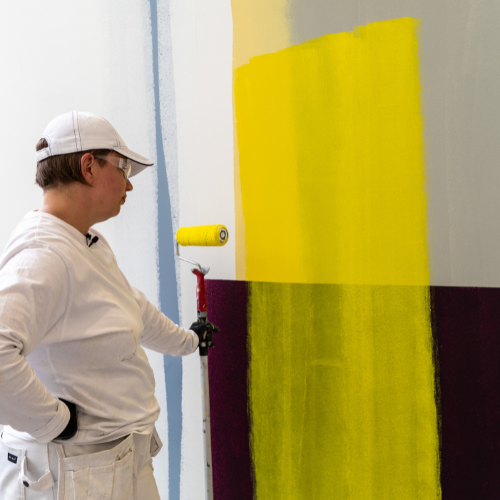
1. Poor hiding power means poor paint.
Reality: The shade makes the difference.
It's easy to blame the paint when the previous colour still shows through. But in many cases, the real reason is the shade itself.
Bright yellows, oranges, and other vivid shades naturally have lower hiding power. They often require additional coats to achieve a uniform finish even when using a high-quality paint.
An even-coloured substrate gives the topcoat the best possible start, helping you achieve the intended finish with fewer extra coats and less unnecessary work.
Not every shade is designed to cover the same. Knowing the difference helps you achieve the best result.
2. Paint will cover surface defects.
Reality: Paint follows the surface.
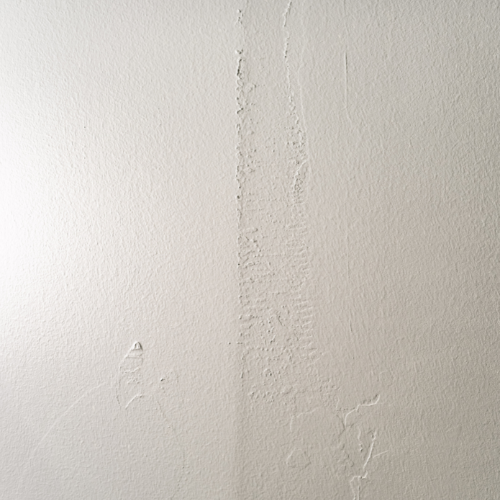
It's easy to think that a coat of paint will hide small scratches, dents or sanding marks. In reality, paint follows the surface underneath, it doesn't fill or smooth it.
The smoother and better prepared the surface, the better the final result. In fact, glossier paints tend to highlight surface defects even more.
Taking the time to prepare the surface properly will pay off in the final finish.
3. The colour in the can is the final colour.
Reality: Wet paint doesn't show the final result.
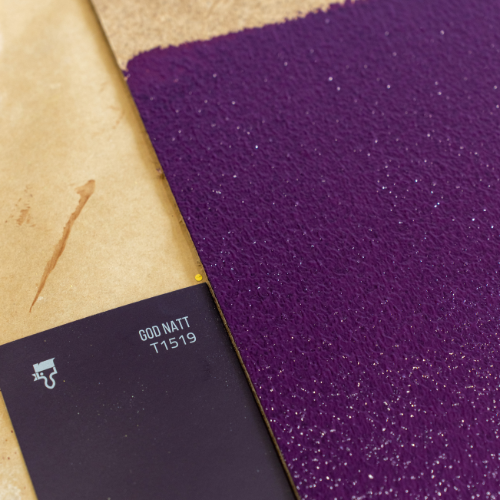
It's easy to think the paint has been tinted incorrectly when the colour in the can doesn't match your expectations. In reality, paint changes as it dries and reaches its intended appearance only after proper drying.
Always evaluate the colour on a fully painted, dry sample. The gloss level and lighting also influence how the final colour is perceived.
Don't judge the colour by the paint in the can. Judge it after it has dried.
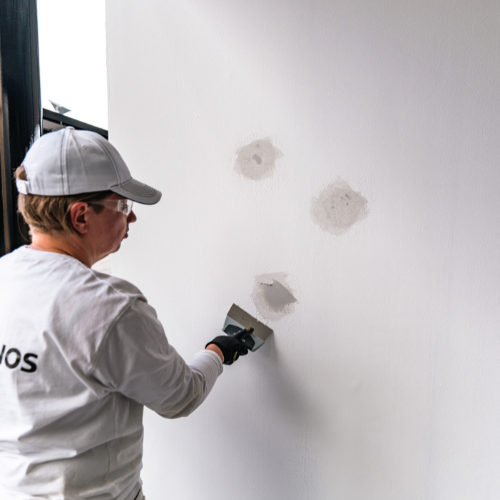
4. You can skip spot painting.
Reality: Filled areas absorb paint differently.
After repairing a wall, it's tempting to apply the topcoat straight over the filled areas. But filler absorbs paint differently from the surrounding surface.
Without spot priming, the repaired areas can remain visible as dull patches or uneven gloss, especially in side light. Spot painting helps create an even finish before applying the final topcoat.
Spot painting helps ensure a consistent finish before applying the final topcoat.
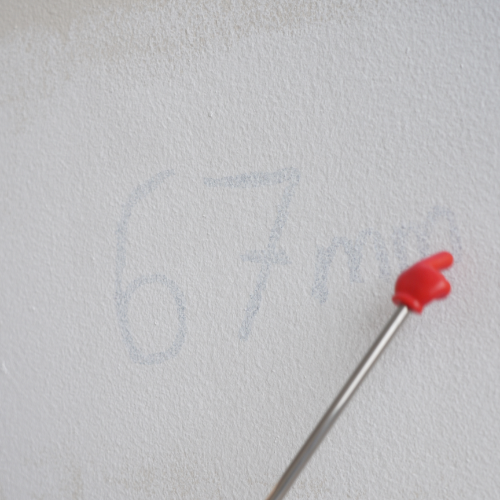
5. Regular wall paint will cover any stain.
Reality: Some stains bleed through paint.
It's tempting to paint straight over marks or stains and expect them to disappear. But some stains, such as permanent marker, nicotine or water stains, can bleed through the new paint.
A stain-blocking primer seals the stain before the topcoat is applied, helping you achieve a clean, even finish.
The right primer stops old stains from becoming part of your new paint job.