DIRECT TO METAL PAINT: SMARTER AND SMOOTHER PAINTING PROCESS
Improve your painting process with Direct To Metal Paint. DTM paint combines primer and topcoat in one. Read more about the advantages.

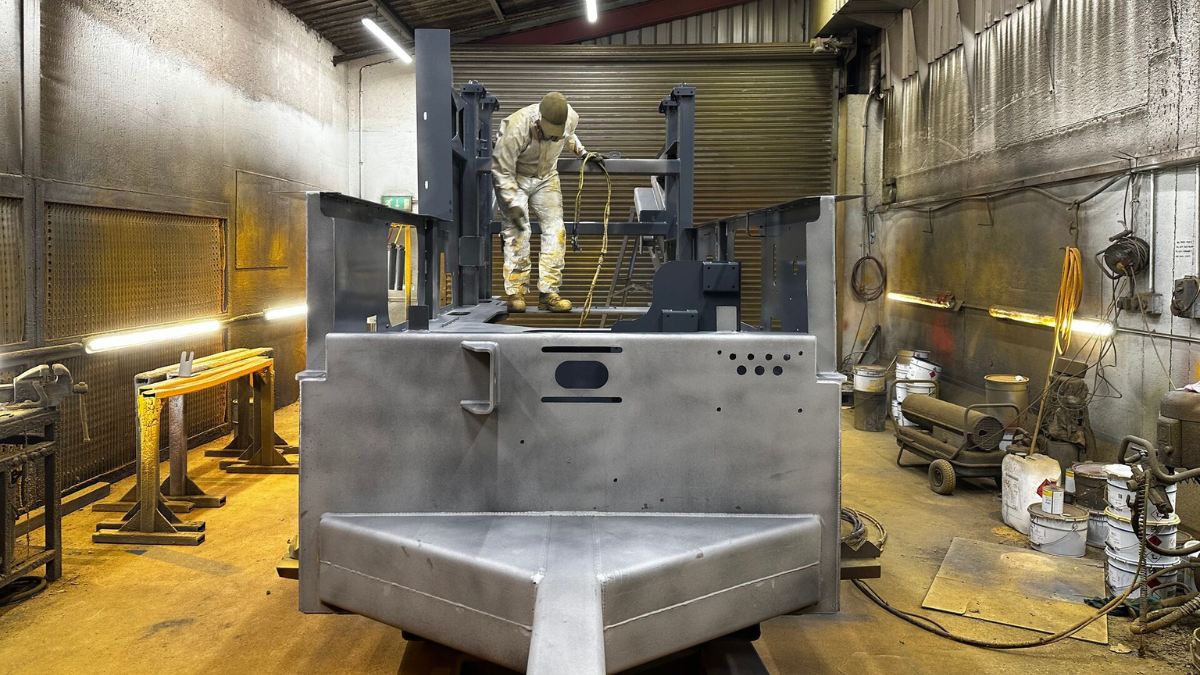
What if your process could deliver consistent coating quality with minimal rework? In one case, rework was reduced by 82% by fixing the root causes instead of just decals.
High rework rates, inconsistent coating quality, and failure to meet ISO 12944 corrosion protection requirements were slowing production and increasing costs. Instead of treating surface-level symptoms, the focus was shifted to understanding what was really happening inside the process.
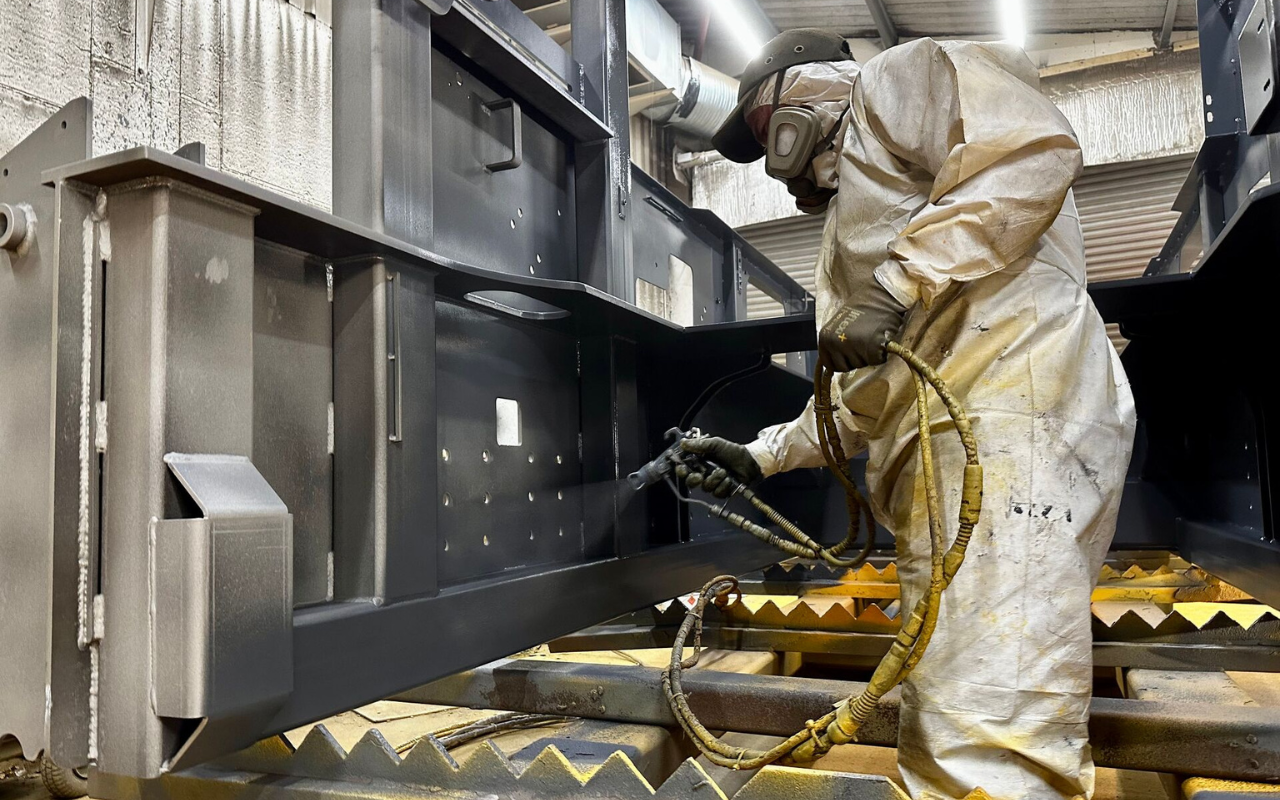
A detailed review of the process revealed several critical gaps that are common in many operations:
The result was increased variability, higher defect rates and unnecessary rework that added cost without adding value.
Instead of focusing on surface level improvements, Teknos experts worked to redesign the process with a focus on consistency and control:
These changes were not complex on their own, but together they created a more stable and predictable process where quality could be built in rather than inspected at the end.
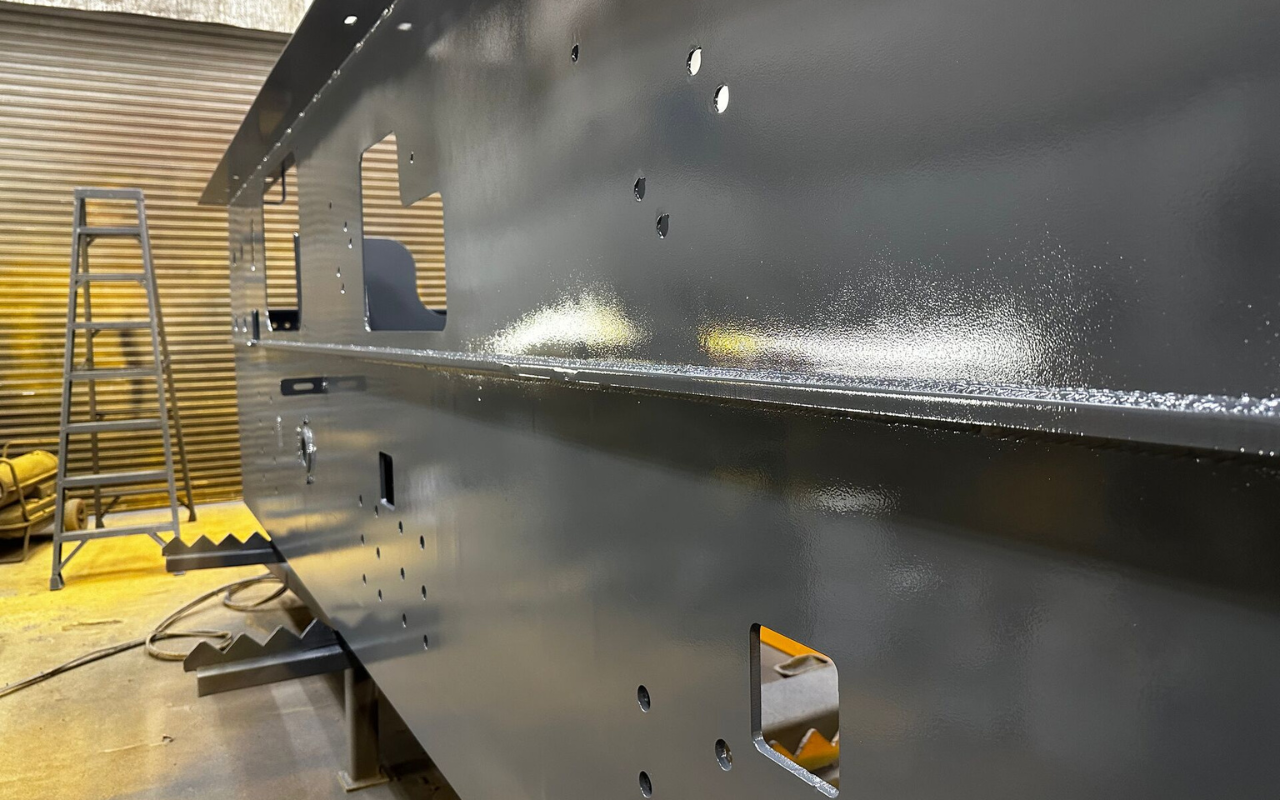
When the root causes were addressed, the results became visible quickly. Rework costs dropped from 5.60 euros to 1.00 euro per part, resulting in an 82 percent reduction. At the same time, coating quality became consistent and reliable, meeting the requirements of ISO 12944 in class C4 M.
Beyond the measurable savings, the biggest change was in how the process was managed. The team gained better visibility and control, allowing them to prevent defects instead of reacting to them after production. This shift improves efficiency, reduces stress on operations, and creates a more scalable production environment.
One example of a solution that can improve production efficiency is Direct-to-Metal (DTM) coatings. By combining primer and topcoat properties into a single application, DTM coatings can reduce application time, lower material consumption, and simplify the overall painting process. As Palle Gustafsson, Laboratory Manager at Teknos explains: “This allows for more protection with fewer coats.”
The result is a faster, more consistent and cost-efficient production process. When using a single-coat DTM system, it is important to ensure the correct dry film thickness (DFT) across all surfaces, as there is no second coat to cover areas with insufficient protection.
However, every production line is different, which is why all painting line optimisation projects are always planned individually based on the customer’s process, requirements, and operating environment. By understanding where inefficiencies originate and how they affect the outcome, meaningful improvements can be achieved without major investments. With the right insights and targeted improvements, it is possible to unlock significant savings and improve consistency.

Palle Gustafsson is Teknos’ experienced Laboratory Manager and a Product Development specialist focusing on metal coatings. His strong technical expertise and long-standing experience support the development of high-performance products that meet demanding customer needs.